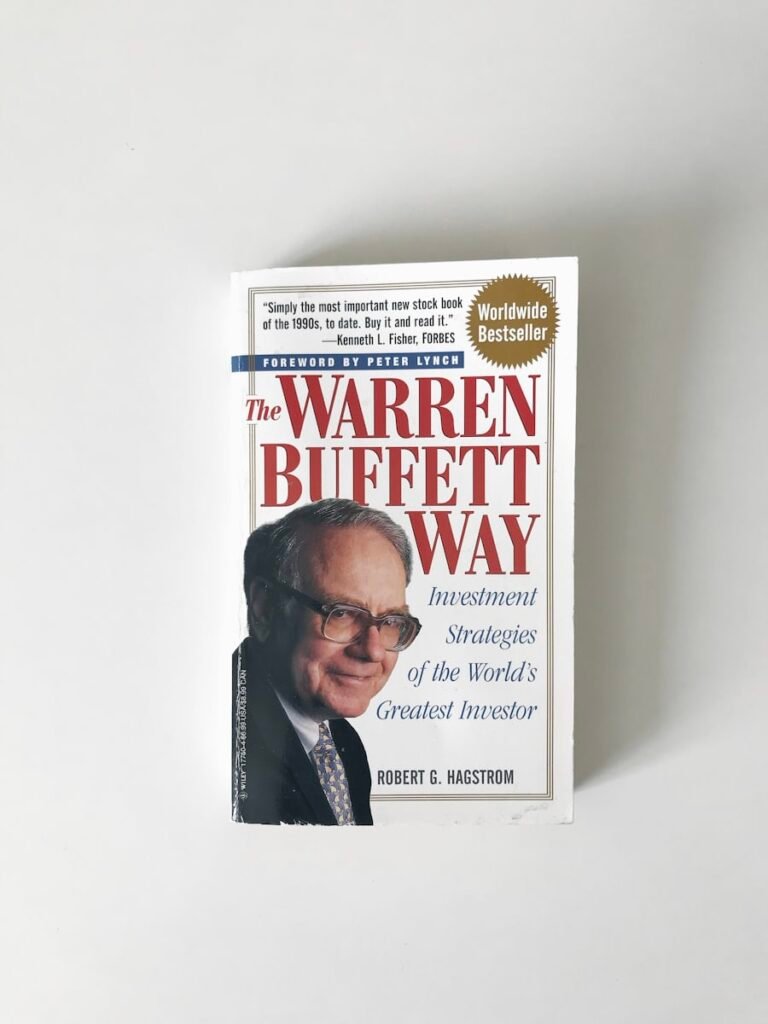
Introduction
The transition at the helm of Berkshire Hathaway marks a pivotal moment for the conglomerate and its shareholders. Warren Buffett, the legendary investor, long maintained a cautious stance, preferring to hoard cash until opportune investments surfaced. However, the recent wire context suggests that his successor, Greg Abel, may be adopting a more proactive approach. The report indicates that Abel, who succeeded Buffett as CEO earlier this year, oversaw a drop in the conglomerate’s massive cash reserve—a move that could signal a strategic shift in how Berkshire puts its capital to work.
Background: The Buffett Era and the Cash Pile
Under Buffett’s leadership, Berkshire Hathaway became synonymous with prudent capital allocation. The company’s balance sheet frequently featured a towering cash pile, often exceeding $100 billion in recent years. This liquidity was a deliberate strategy, allowing Buffett to act decisively during market downturns and to support the company’s insurance operations. The cash buffer also gave shareholders a sense of stability, even during turbulent economic times. The phrase ‘huge cash pile’ in the wire context affirms that this characteristic remained a hallmark of Berkshire as the leadership transition occurred.
Greg Abel’s Ascension
Greg Abel, previously the CEO of Berkshire Hathaway Energy and Buffett’s handpicked successor for the non-insurance operations, took over as CEO at the turn of this year. Long seen as the logical heir to Buffett’s empire, Abel has been deeply involved in major capital projects, including large-scale investments in renewable energy and infrastructure. His operational background suggests a manager comfortable with deploying capital into tangible assets, rather than merely accumulating liquidity. This context makes the reported drop in cash reserves entirely plausible, as Abel likely seeks to put Berkshire’s money to work in ventures he understands well.
Signals from the Wire Context
“Greg Abel might just be a little looser with the purse strings than Warren Buffett. Abel, who succeeded Buffett as Berkshire Hathaway’s CEO at the turn of this year, oversaw a drop in the conglomera…”
The wire excerpt, though incomplete, conveys two critical points: first, that Abel’s approach to spending differs from Buffett’s, and second, that the cash pile has already decreased under his tenure. The phrase ‘a little looser with the purse strings’ is subjective but implies a meaningful change in capital allocation philosophy. It does not necessarily suggest reckless spending, but rather a willingness to deploy cash into acquisitions, share buybacks, or capital expenditures that Buffett might have deferred.
Analysis: What Could the Spending Mean?
Several plausible interpretations arise from the reported decline in Berkshire’s cash:
- Increased M&A Activity: Abel may be pursuing acquisitions that fit Berkshire’s existing portfolio. In recent years, Berkshire has made bolt-on acquisitions in its energy, manufacturing, and service businesses. A looser approach could accelerate this trend, seeking scale and synergies.
- Share Buybacks: Berkshire has repurchased its own stock aggressively in the past, especially when the price was below intrinsic value. Abel may continue this strategy, using the cash pile to buy back shares, which would benefit remaining shareholders by increasing ownership stakes.
- Capital Expenditure Projects: Abel’s background in energy and infrastructure might lead him to invest heavily in these sectors. Large-scale projects, such as renewables or grid improvements, require significant upfront capital, which would quickly reduce cash reserves.
- Portfolio Restructuring: The drop could also reflect a rebalancing of investments, with funds flowing into marketable securities or other assets rather than remaining idle as cash.
It is important to note that the wire context does not specify the magnitude of the drop or the exact uses of the cash. The term ‘huge cash pile’ suggests that even after the reduction, Berkshire’s liquidity remains substantial. This implies that Abel is not engaging in desperate spending but rather a deliberate, strategic deployment of excess capital.
Implications for Investors
For Berkshire shareholders, a shift toward more active capital deployment could be a double-edged sword. On one hand, if Abel invests wisely, the company could see improved growth and returns. On the other hand, the market has long trusted Buffett’s discipline; a looser approach might raise concerns about overpayment for acquisitions or poorly timed investments.
However, Abel’s track record at Berkshire Hathaway Energy, where he led significant and successful infrastructure investments, suggests he possesses a disciplined yet growth-oriented mindset. This bodes well for a balanced approach to spending. Investors will be watching closely to see if the cash pile continues to shrink, and more importantly, whether the deployed capital generates strong returns.
Conclusion
The early signs from Abel’s tenure indicate that Berkshire Hathaway is entering a phase of more dynamic capital management. The reported drop in the cash pile is a tangible signal that the era of idle billions may be easing. While it is still too early to judge the wisdom of these moves, the shift appears intentional and measured. As Greg Abel makes his mark as Berkshire’s CEO, shareholders and observers alike will scrutinize each investment and acquisition for signs of Buffett-like prudence or a new, bolder vision. The wire context offers a glimpse of this transformation, but the full picture will emerge over time.